The flute

The flute keeps the bubbles. The coupe looks like a party. Neither is the glass wine people recommend, and both still have a place in the cabinet.
Tap either one to check today’s price.
The flute
The coupe

Schott Zwiesel has the edge on 3 of 10 lines, Luigi Bormioli on 0, 3 even.
| Feature | Schott Zwiesel | Luigi Bormioli |
|---|---|---|
| Shape | Tall, narrow bowl | Wide, shallow saucer bowl |
| Capacity | About 7 oz | About 10.25 oz |
| Height | 9.5 in | 5.8 in |
| Bubble point | Etched effervescent point in the bowl (the edge) | None |
| CO2 above the glass | Two to three times higher near the rim (PLoS ONE, 2012) | Lower; gas spreads over a wider surface |
| Spills when carried | Rarely (the edge) | Easily; a wide, shallow bowl sloshes |
| GlassEven | Lead-free Tritan crystal glass | Lead-free SON.hyx crystal glass |
| Dishwasher | Safe per the listing (the edge) | Not stated on the listing |
| Made inEven | Germany | Italy |
| Price on AmazonEven | About $73 for six | About $50 for four |
The verdict
Buy flutes if you pour mostly dry champagne and prosecco for toasts and want the bubbles to last. Buy coupes if you pour sparkling cocktails, sweeter wines or a short glass for a party, and accept that the fizz fades faster.
The red wine glass, Bordeaux or Burgundy.The tall glass for everything with bubbles.The carafe that keeps water on the table.
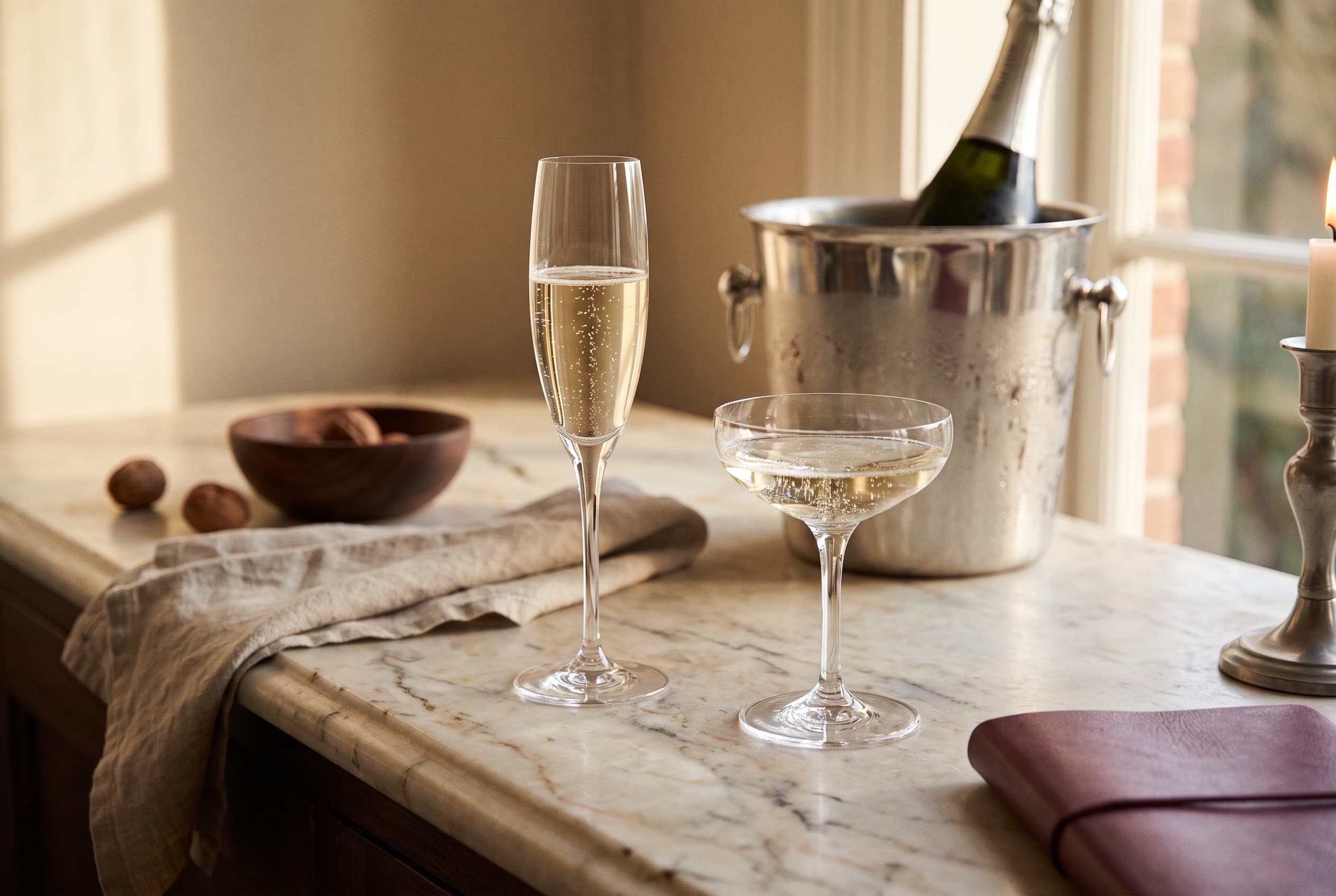
The coupe, the wide saucer on a stem, was the usual champagne glass for much of the twentieth century and is the glass in every old film. The flute took over because it does one thing better: its narrow surface lets the wine lose its fizz more slowly, and a tall column shows off a steady line of bubbles. The story that the coupe was modeled on a French queen is a legend, not history.
Science has looked at the difference directly. A 2012 study from the University of Reims, published in PLoS ONE, measured the gas above champagne poured into each glass. Carbon dioxide near the rim of the flute ran two to three times higher than above the coupe, which the authors tied to the sharper, more prickly first nose people report from flutes. The coupe spreads the same wine thin, so it gives up its gas quickly and smells softer.
Below, one well-made flute against one well-made coupe at similar prices, and two alternatives: the tulip-shaped sparkling glass that many sommeliers now prefer to both, and an inexpensive set of flutes for a crowd.
A classic 7 ounce flute in tough lead-free crystal, with an etched point that sends up a steady stream of bubbles.
Classico is one of Schott Zwiesel's long-running everyday lines, made in Germany from its Tritan crystal glass, a lead-free formula the maker says is resilient and strong. The flute holds about 7 ounces and stands 9.5 inches tall. At the bottom of the bowl is an effervescent point, a small etched spot that gives bubbles a place to form, so the glass shows a continuous line of them rising through the wine.
A flute does what its shape promises. The narrow opening keeps the wine lively for longer and concentrates the gas at the nose, which suits dry champagne, cava and prosecco poured for a toast. It also carries easily through a crowded room and seldom spills. The listing calls it dishwasher safe.
Skip it if you want to smell a fine vintage champagne. The narrow rim makes it hard to get your nose into the glass, which is why wine writers have been moving to wider tulip glasses for good bottles.
The catch. Tall stems are the first thing knocked over on a crowded table, and the narrow bowl mutes the aroma of serious wine.
Where to buy
AmazonCheck price →A generous Italian coupe with a very thin rim, as good for a sparkling cocktail as for a glass of champagne.
Talismano is a Luigi Bormioli line made in Italy from the maker's lead-free SON.hyx crystal glass. The coupe holds about 10.25 ounces to the brim, measures 4.3 inches across and 5.8 inches tall, and has a rim the listing gives as 0.95 millimeters thick, which is fine enough that the glass feels light on the lip.
Pour a coupe about half full and the wine has a wide surface to breathe from. That softens the fizz and opens the aroma, which suits demi-sec champagne, sparkling rosé and cocktails such as a French 75. It is also the right glass for a champagne tower and for a dessert served in a stem, which is why the listing calls it a sherbet glass too.
Skip it if you pour bottle after bottle of dry champagne at a standing party. The bubbles fade faster than in a flute, and a wide, shallow glass of wine sloshes as soon as someone walks with it.
The catch. Spills easily in a moving crowd, and the fizz goes flat noticeably sooner than in a flute.
Where to buy
AmazonCheck price →A wider, taller sparkling wine glass that keeps bubbles like a flute and lets the wine breathe like a coupe.

The tulip shape, wider in the middle and narrowing toward the rim, is the compromise many wine professionals now prefer to both the flute and the coupe. Zwiesel Glas Sensa holds about 13 ounces, so a normal pour leaves room in the bowl for aroma, while the inward curve still slows the loss of bubbles. Like the Classico, it has an effervescent point and is made in Germany from Tritan crystal glass, and the listing calls it dishwasher safe.
For anyone who drinks good champagne more than once a year, this is the glass to own.
The catch. It reads as a wine glass rather than a celebration glass, which some hosts mind on New Year's Eve.
Where to buy
AmazonCheck price →Plain, lead-free 8 ounce flutes cheap enough to set out for a party and not count afterward.

Libbey's Entertaining Essentials flutes hold 8 ounces, are made of lead-free glass and go in the dishwasher. They are thicker and heavier than the crystal glasses above, and they do the job at a wedding toast, a brunch of mimosas or a New Year's party where some glasses will not come back.
Buy them as the spare set, not the good one.
The catch. Thicker rims and plainer glass than the crystal options.
Where to buy
AmazonCheck price →Dry champagne, cava, crémant and prosecco poured for a toast: the flute. Vintage or prestige champagne you want to smell: the tulip, or even a white wine glass. Demi-sec, sparkling cocktails, sparkling rosé at a party and anything built into a tower: the coupe.
Pour the coupe half full. A full coupe is very hard to carry and the wine warms quickly across such a wide surface.
Schott Zwiesel rates the Classico for the dishwasher; Luigi Bormioli's listing does not say, so hand wash the coupes if in doubt. Stems are the weak point of any glass. Load flutes upright and well apart, and wash coupes on the top rack if they fit. A rinse-aid film dulls the bubble point; an occasional hand wash with hot water and a drop of soap clears it.
Do not dry a flute by pushing a towel down inside the bowl and twisting the foot. That is how most stems break.
Own the tulip. It handles every sparkling wine well, it doubles as a white wine glass, and it carries nearly as well as a flute. Add coupes later for cocktails.
For keeping bubbles, the flute. A 2012 study in PLoS ONE found two to three times more carbon dioxide above a flute than above a coupe, meaning more of the fizz stays in play. For aroma and for cocktails, the coupe. Many sommeliers prefer a tulip glass to both.
Its wide, shallow bowl lets the wine lose its fizz faster and spills easily. The flute, which keeps bubbles longer and carries better, became the standard in the second half of the twentieth century. Coupes have come back mainly as cocktail glasses.
No. The story is a legend with no historical support.
About 4 to 5 ounces, roughly half the glass. The Talismano holds about 10.25 ounces to the brim, so a standard pour leaves room to carry it without spilling.
Yes. The coupe is the usual glass for drinks served up, from a daiquiri to a French 75. A champagne coupe of about 10 ounces is on the large side for a stirred cocktail, so pour less.
A small etched spot at the bottom of the bowl. It gives dissolved carbon dioxide a rough surface to form bubbles on, which produces a steady stream from one point.
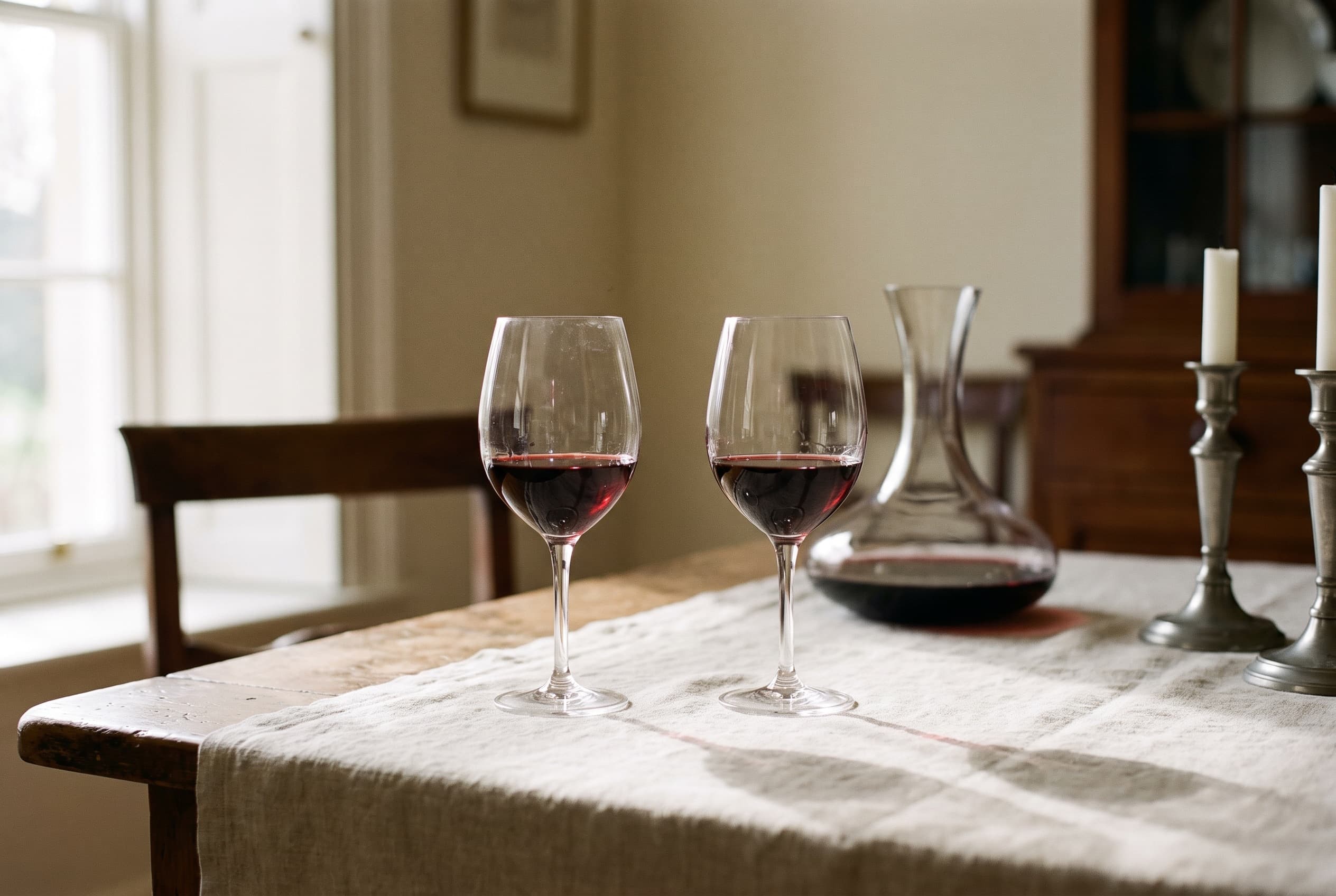 GlassRiedel vs Schott Zwiesel: Everyday Wine Glasses Compared
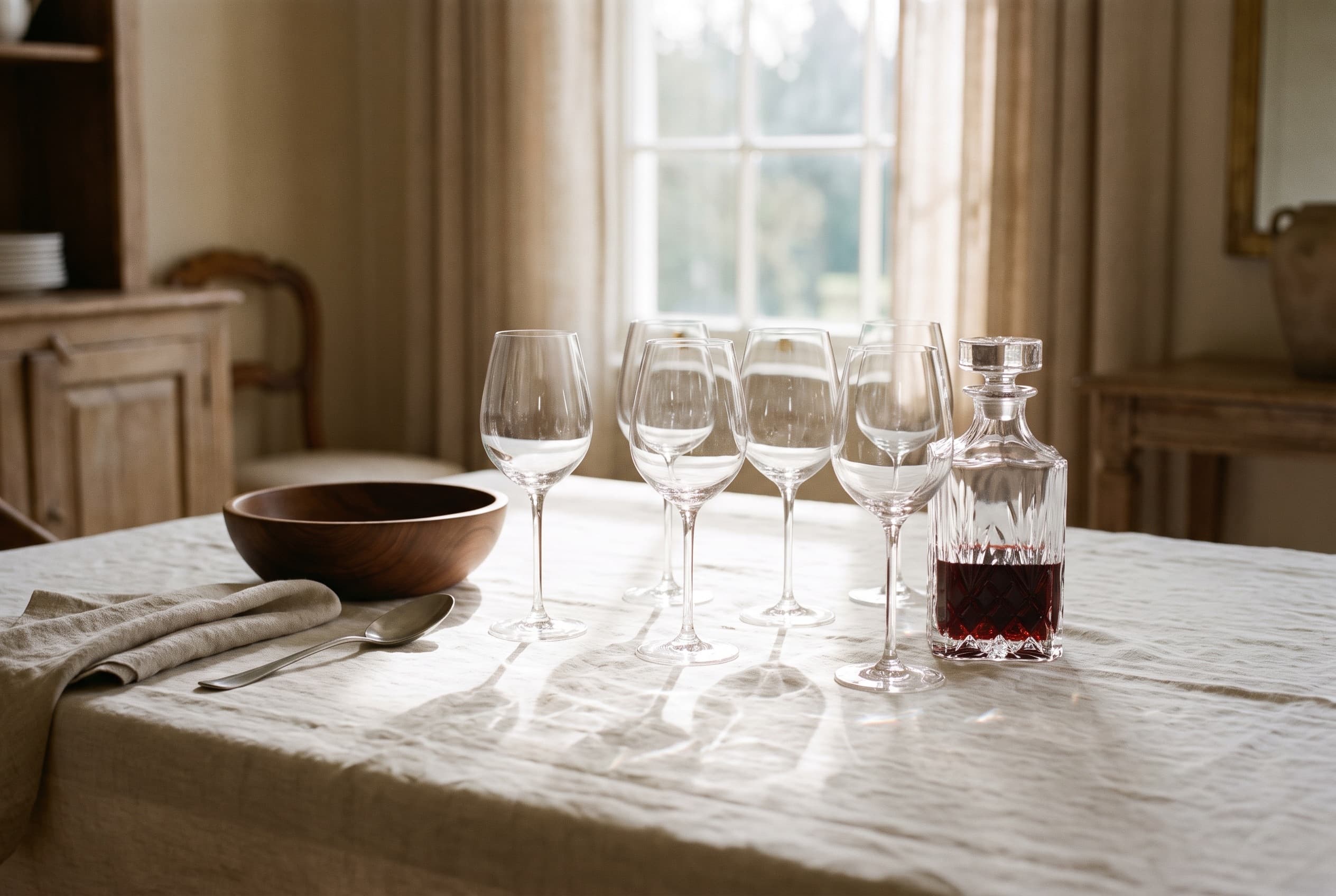 GlassLead-Free Crystal Wine Glasses and Decanters
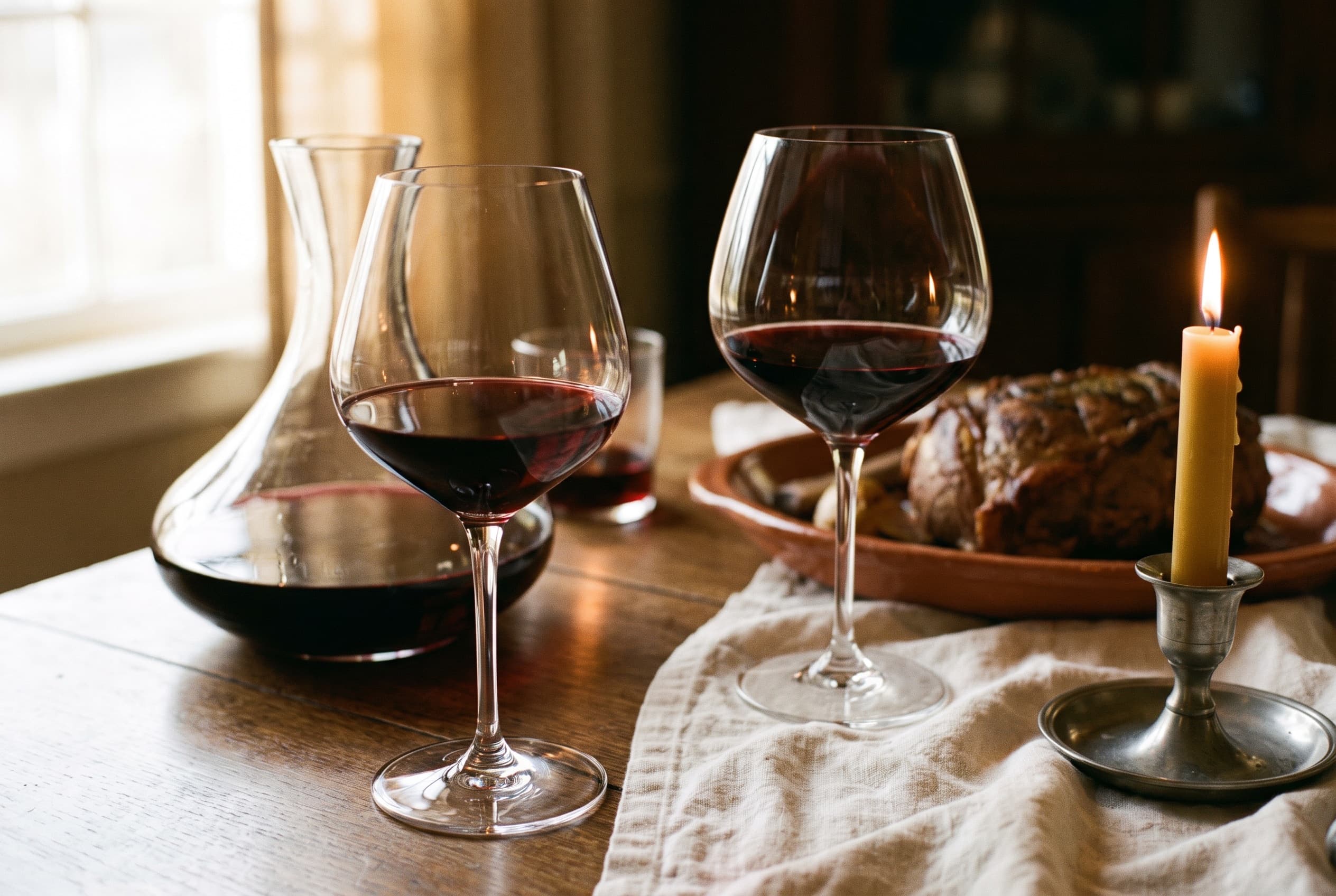 GlassBest Red Wine Glasses: Bordeaux and Burgundy Shapes
 GlassBest Highball and Collins Glasses for Home
 GlassThe Best Water Carafe and Glass Pitcher for the Table
 GlassBest Champagne Glasses: Flute, Coupe or Tulip
 GlassBest Everyday Drinking Glasses for Water and Juice
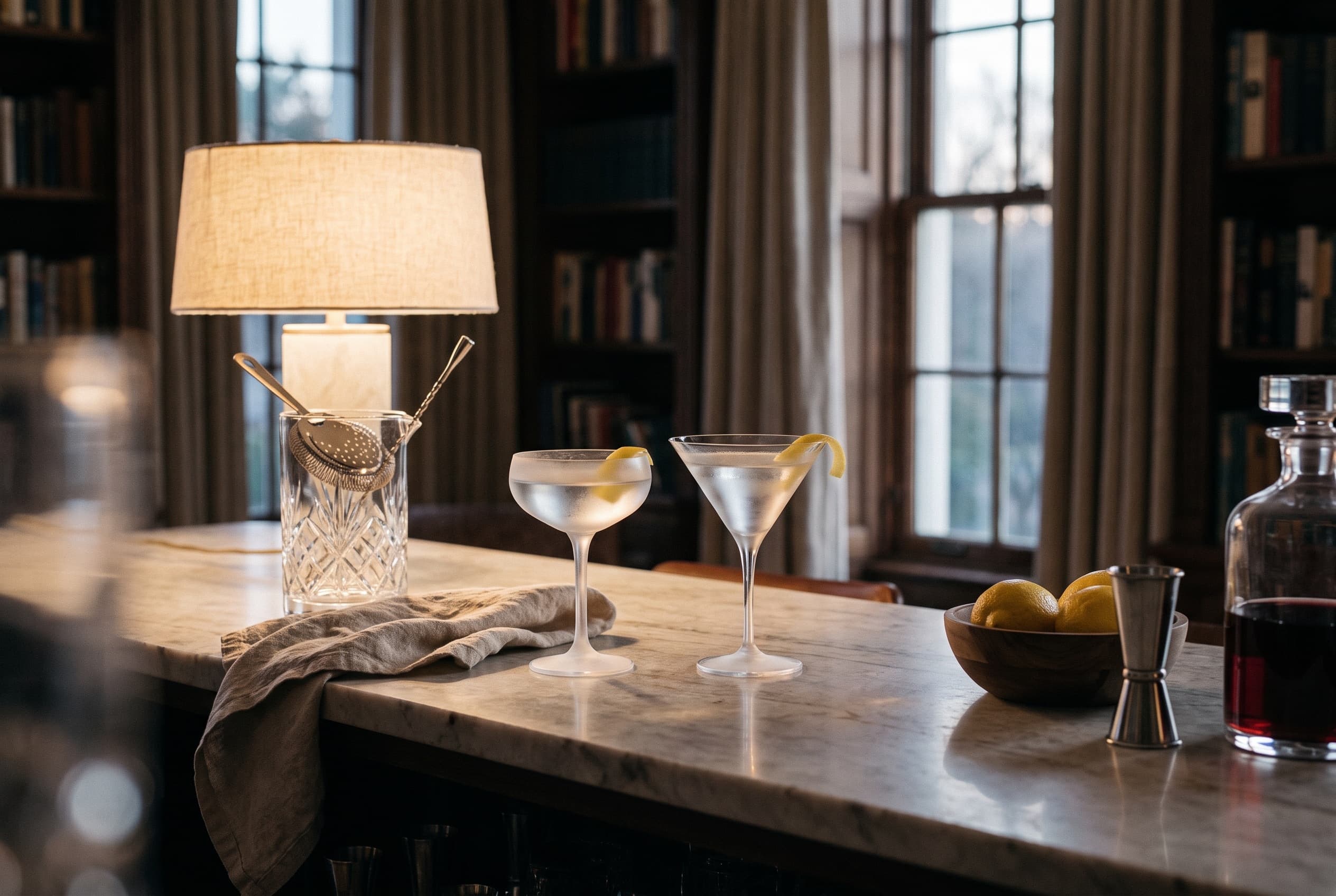 GlassThe Best Martini, Coupe and Nick and Nora Glasses
The Bonwits Letter
What is worth buying for the house this week, what is actually on sale, and what to skip. Short, and never sponsored.

