Porcelain

Three ceramics, three different tables. Porcelain is white and hard, stoneware heavy and forgiving of the oven, bone china the lightest and strongest for its thickness.
Tap either one to check today’s price.
Porcelain
Stoneware

Villeroy & Boch has the edge on 2 of 10 lines, Le Creuset on 1, 3 even.
| Feature | Villeroy & Boch | Le Creuset |
|---|---|---|
| Body | Kaolin-based porcelain, fired to about 1,200 to 1,400 C | Stoneware clay, fired to about 1,100 to 1,300 C |
| Look | White, fine; translucent where thin | Opaque, colored glaze, heavier look |
| Weight | Thinner and lighter for its size (the edge) | Heavy; a stack of plates is a two-handed lift |
| Water absorptionEven | Vitrified, impermeable | Dense; under 1% when properly fired |
| Oven | Not rated for the oven in this set's listing | Freezer, oven, broiler and microwave safe (maker) (the edge) |
| Dishwasher and microwaveEven | Safe | Safe |
| Open stockEven | Every Artesano shape sold individually | Le Creuset sells stoneware pieces individually |
| Set of 16 | 4 each: 10.5 in dinner, 8.5 in salad, pasta bowl, cereal bowl | 4 each: 10.5 in dinner, salad plate, soup bowl, mug |
| Made in | Germany | Not stated on the listing |
| Price, service for four | About $192 (the edge) | About $255 |
The verdict
Choose porcelain for a white, lighter everyday plate that also suits guests, and stoneware for a heavier, colored plate that goes into the oven and keeps food warm. Choose bone china if you want the lightest, whitest and, for its thickness, strongest plate, often for less than either.
The dinnerware you can put your mind at rest about.The everyday dishes that survive the dishwasher.The dessert plates, plain and for the holidays.
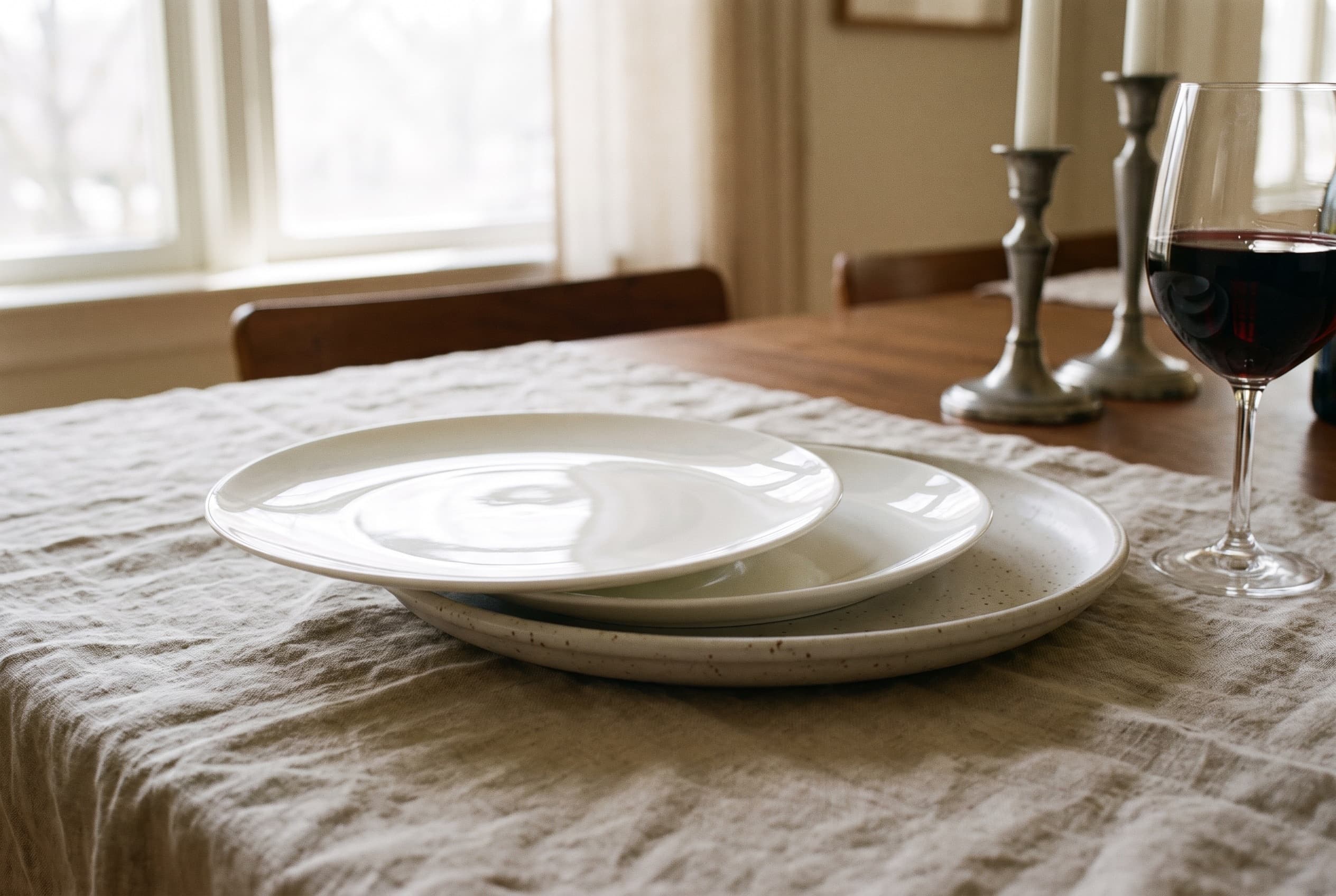
All three are fired clay, and all three are sold as everyday dinnerware. The differences start in the kiln. Porcelain is made mostly from kaolin and fired to between about 1,200 and 1,400 degrees Celsius, until it vitrifies into a hard, white, near glassy body that is translucent where thin. Stoneware is fired a little lower, roughly 1,100 to 1,300 degrees, from coarser clay; it ends up dense and waterproof but opaque, and usually grey or brown under the glaze.
Bone china is a kind of porcelain made with calcined animal bone. The usual standard is at least 30 percent bone ash, and the classic English formula runs to about half. It is among the strongest of the white ceramics, which is why it can be made so thin, and it is the whitest and most translucent of the three.
To keep the comparison fair, each material is shown here through a 16-piece service for four from a maker known for it: Villeroy & Boch Artesano for porcelain, Le Creuset for stoneware, and Mikasa Delray for bone china. The table sets porcelain against stoneware, the two most people are choosing between; bone china is the third pick, and the case for it is made below.
German porcelain with a soft, hand-thrown look, light for its size and good enough for guests.
Villeroy & Boch has made ceramics since 1748, and Artesano Original is its casual porcelain: a warm creamy white with a broad, flat rim and slightly irregular shapes. The set is four each of a 10.5 inch dinner plate, an 8.5 inch salad plate, a 9 inch, 16 ounce pasta bowl and a 14.5 ounce cereal bowl.
Porcelain's hardness lets it be made thinner than stoneware, so these stack lighter for their size and look finer on a table. The set is dishwasher and microwave safe. Every Artesano shape is sold individually, so a chipped plate has an exact replacement and four settings can grow to eight.
Skip it if you want a bright, cool white; Artesano is creamy by design. Skip it too if you want to bake in your bowls; that is stoneware's territory.
The catch. No mugs in the set, and the creamy white does not suit a cool, stark table.
Where to buy
AmazonCheck price →Heavy, glossy stoneware that goes from freezer to oven to table to dishwasher.
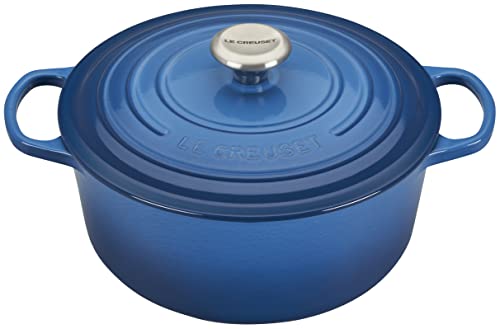
Le Creuset's stoneware comes in the same colors as its cast iron. The set is four each of a 10.5 inch dinner plate, a salad plate, a soup bowl and a mug, here in Oyster, a warm pale grey.
The glaze is the point. Le Creuset calls it non-porous and nearly nonstick, resistant to chips, scratches and stains, and rates its stoneware for the freezer, oven, broiler, microwave and dishwasher. Thick stoneware holds heat, so warmed plates keep dinner hot at the table, and the soup bowls will take a gratin under the broiler.
It is heavy, as good stoneware is, and it is the priciest set here. Skip it if you store plates overhead, or if you want a white, refined table.
The catch. Weight. A stack of eight plates is a two-handed lift.
Where to buy
AmazonCheck price →Crisp white bone china that is lighter than both sets above, rated for the oven, and costs the least.

Bone china is the answer people do not expect for everyday plates. Because the bone ash makes it among the strongest white ceramics, it can be thin and light without being fragile, and it has a whiteness and translucency that neither porcelain nor stoneware matches.
Delray is Mikasa's plain white bone china: clean lines and a bright body. The set is four each of an 11 inch dinner plate, a 9 inch salad plate, a 5.75 inch cereal bowl and a 13 ounce mug. Mikasa rates it chip resistant and safe in the oven, dishwasher, microwave and freezer.
Skip it if you want to buy plates one at a time, since it is sold as a boxed set, or if you prefer the heft and color of stoneware.
The catch. A boxed set rather than a deep open-stock line, and its plainness reads as formal to some.
Where to buy
AmazonCheck price →Matte stoneware in soft clay tones, at a little over half the Le Creuset's price.
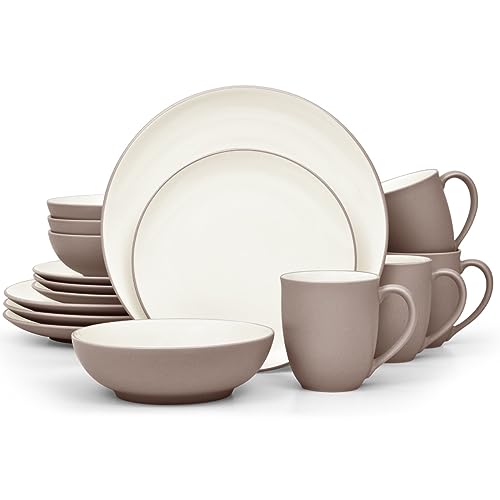
Colorwave is Noritake's stoneware range, and Clay is its matte, earthy colorway. The coupe set is four each of a 10.5 inch dinner plate, an 8.75 inch salad plate, a 22 ounce soup and cereal bowl and a 12 ounce mug.
It is dishwasher and microwave safe, and the shapes mix with the other Colorwave colors if you want to build a varied table.
Skip it if you want to bake in your dinnerware; the listing does not rate it for the oven the way Le Creuset does.
The catch. Matte glazes can show marks from cutlery over time.
Where to buy
AmazonCheck price →Hold a plate up to a light with your hand behind it. Bone china shows the shadow of your fingers clearly; porcelain shows it faintly where thin; stoneware shows nothing. Turn it over: stoneware's unglazed foot ring is usually grey or brown, porcelain and bone china are white.
Chips come from knocks on the rim, so stack plates with care and do not overload the dishwasher. Avoid sudden temperature changes with any ceramic, such as a cold plate into a hot oven, even when the maker rates it for oven use.
Check the maker's rating before putting any plate in the oven. Stoneware is often rated for it; porcelain and bone china sometimes are and sometimes are not, and metal trim never belongs in a microwave.
Open stock matters more than the box. A line sold piece by piece lets you replace a broken plate years later and add settings when the table grows.
Porcelain is made mainly from kaolin and fired hotter, to a white, vitrified body that is translucent where thin. Stoneware is fired a little lower from coarser clay, and is opaque, heavier and usually colored under the glaze.
Bone china is among the strongest white ceramics, which is why it can be made thinner and lighter than most porcelain without being fragile.
Any of the three, if well made. Stoneware suits cooks who warm plates or bake in bowls. Porcelain suits a white table used for both family and guests. Bone china suits anyone who wants light plates that still stand up to the dishwasher.
Often, but check the maker. Le Creuset rates its stoneware for the freezer, oven, broiler and microwave.
Calcined animal bone in the body. The usual standard is at least 30 percent bone ash, and the traditional English formula uses about half.
 The TableBest Dessert Plates and Salad Plates, Plus Holiday Sets
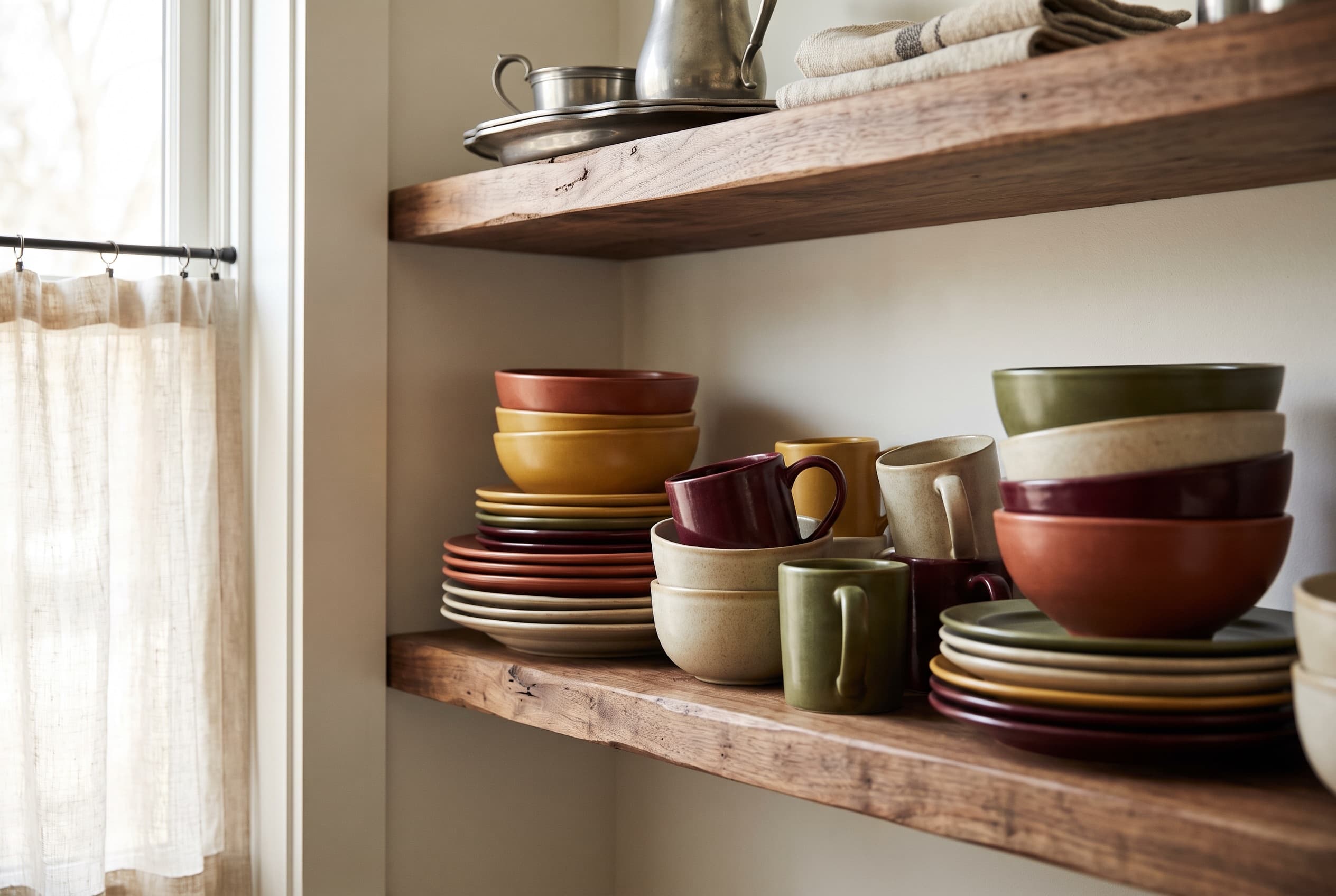 The TableMade in USA Dinnerware: American Tableware Made Here
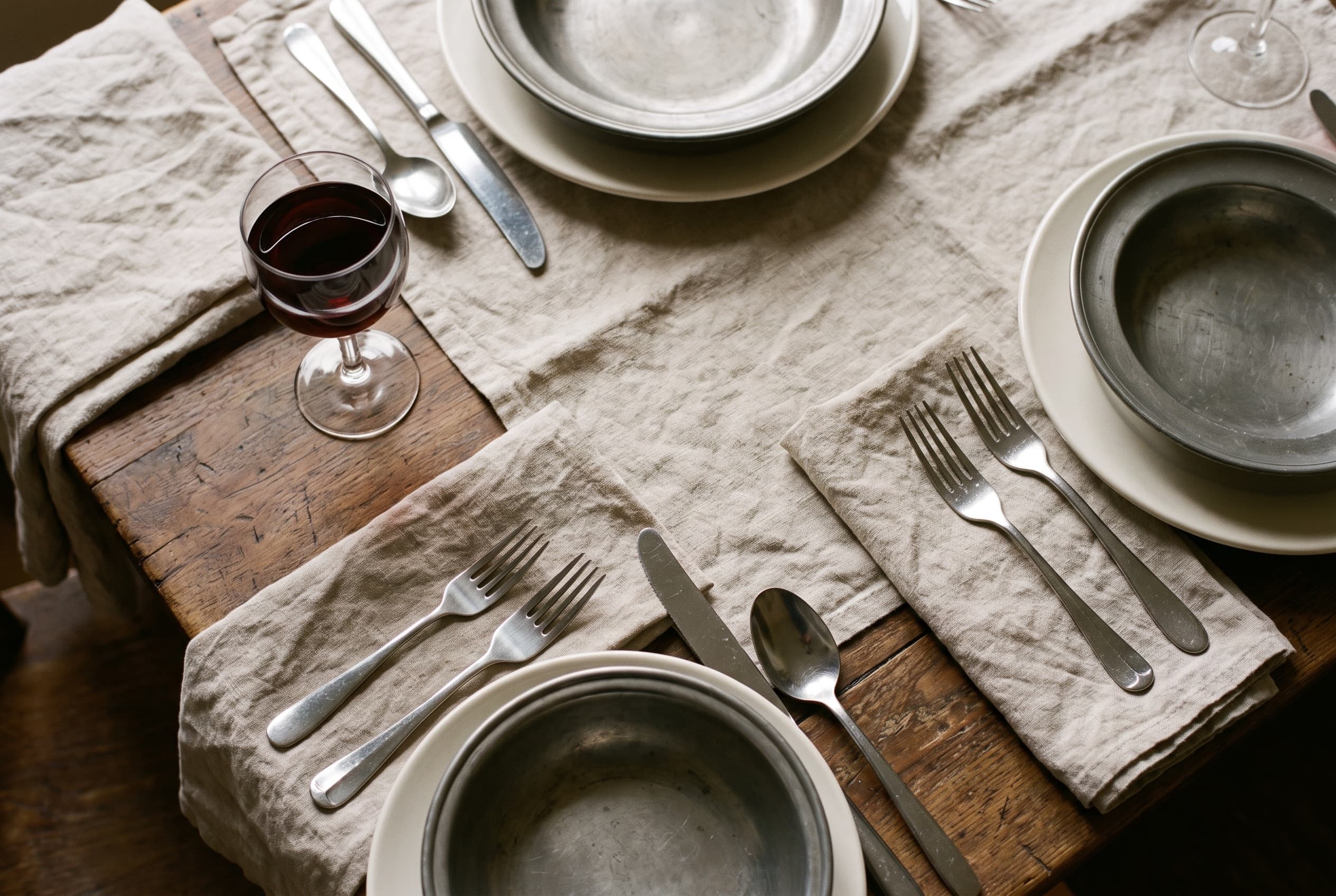 The TableBuy It for Life Silverware: 18/10, Forged, Open Stock
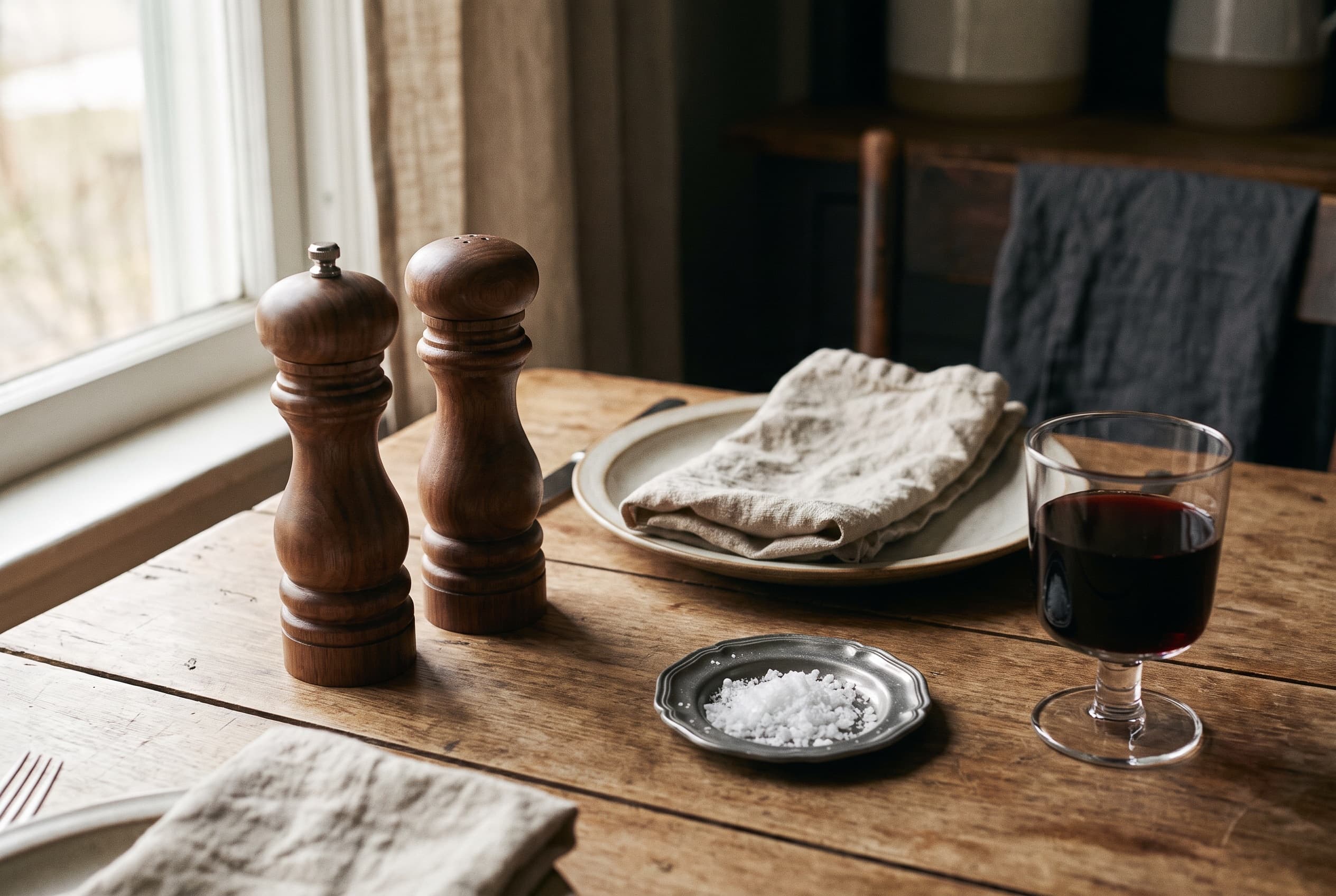 The TableBest Pepper Mill and Salt Mill: Peugeot, Magnum and More
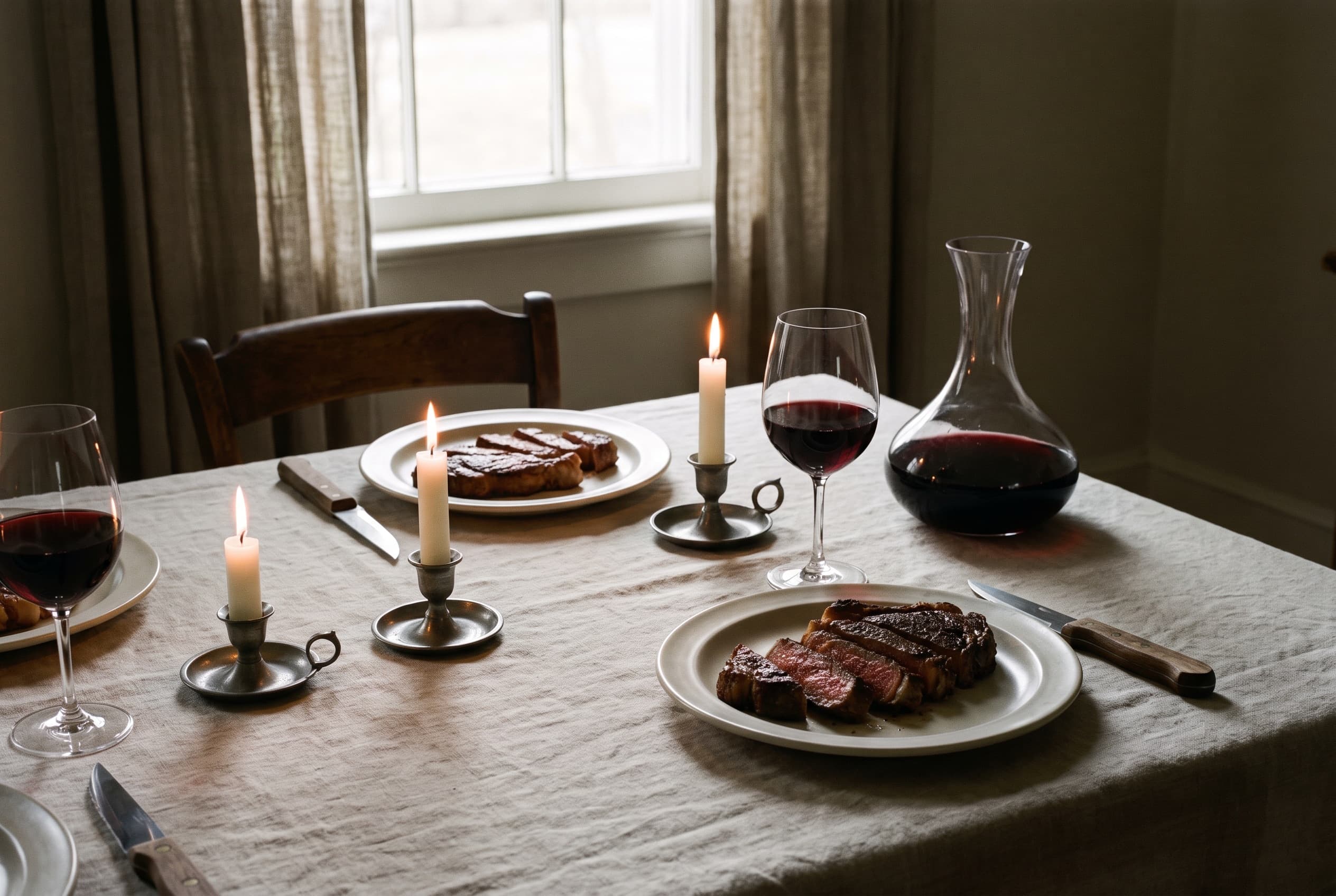 The TableThe Best Steak Knives (2026): Serrated vs Straight Edge
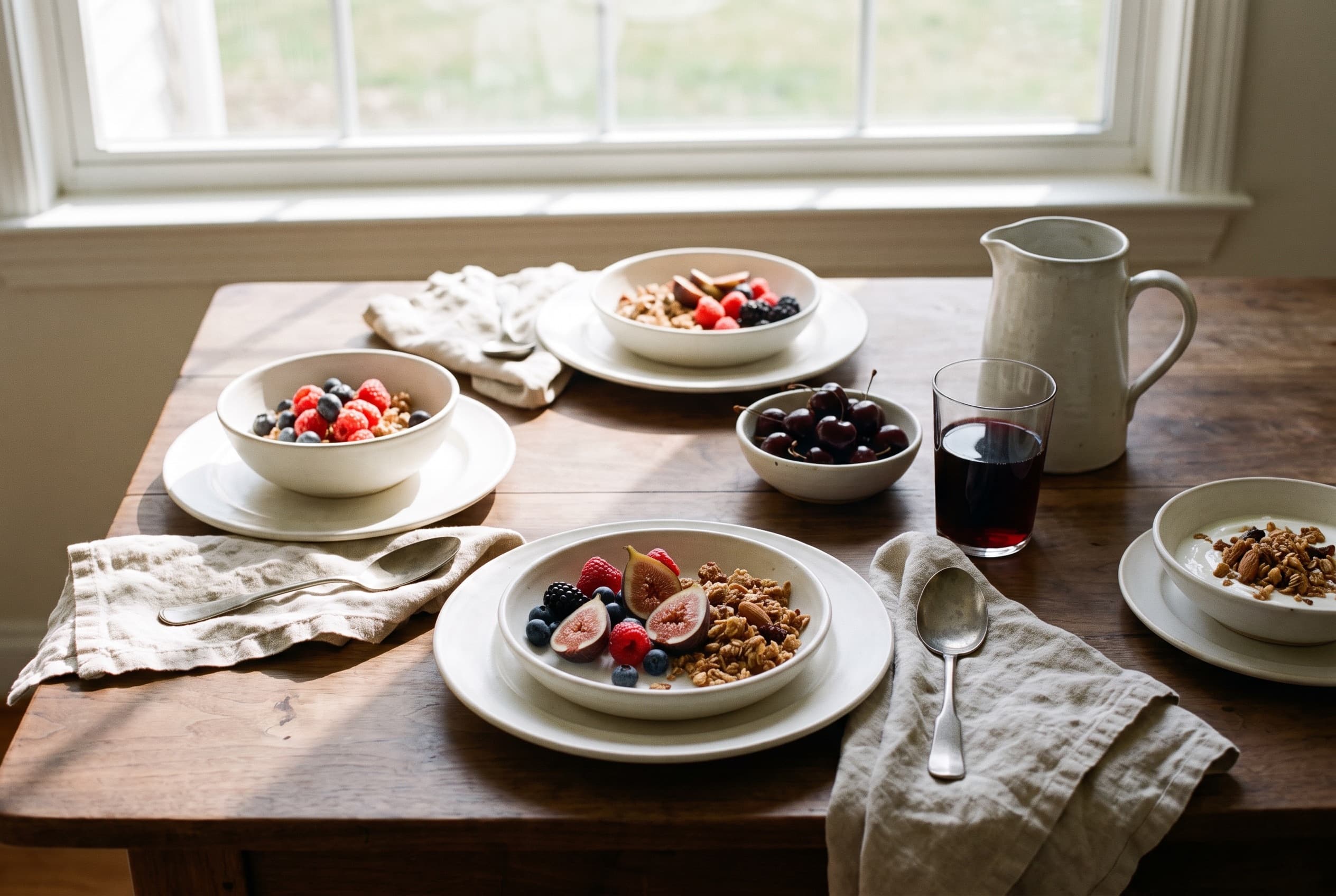 The TableLead-Free Dinnerware: Glass, Porcelain and Stoneware
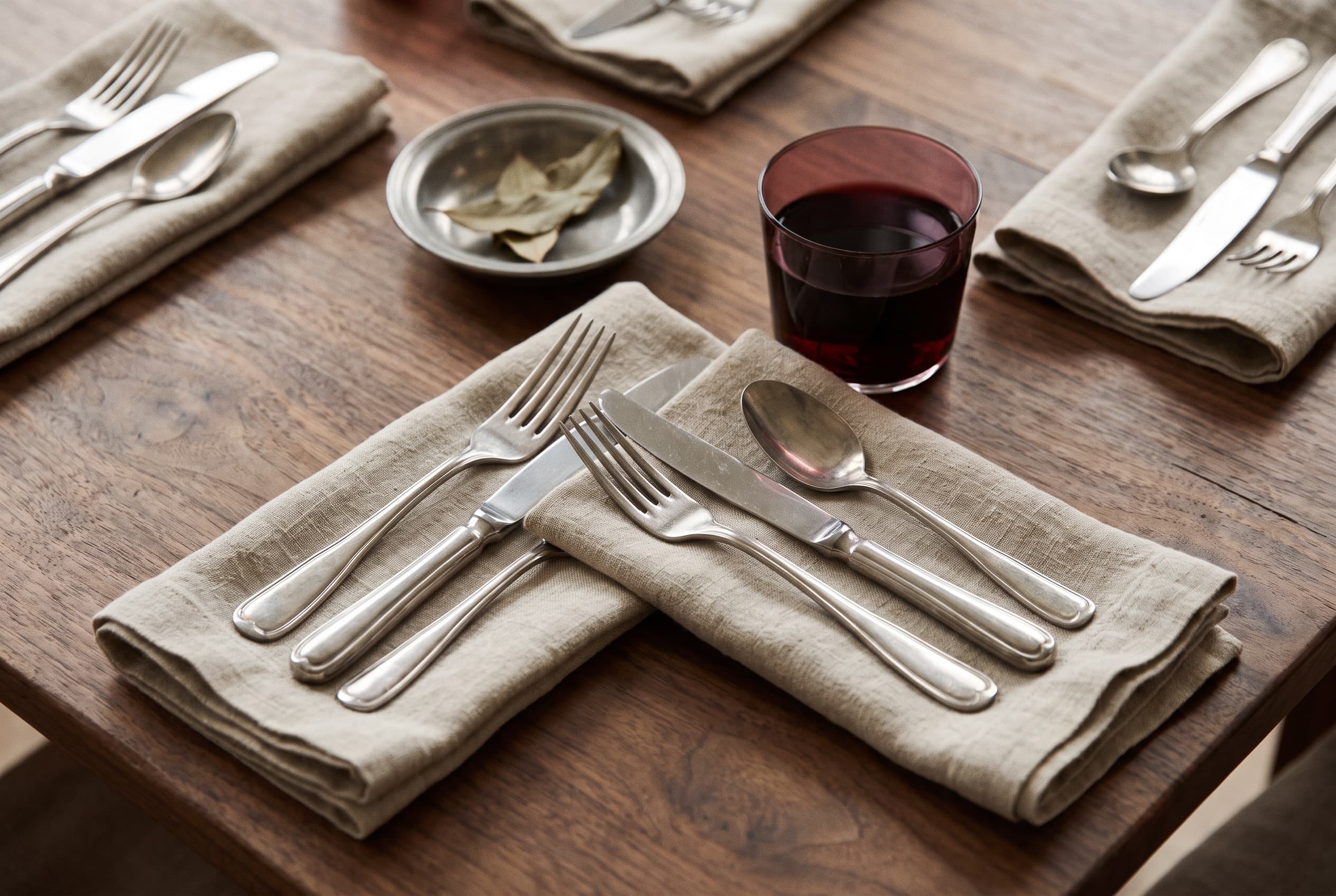 The TableMade in USA Flatware: The Last American Maker
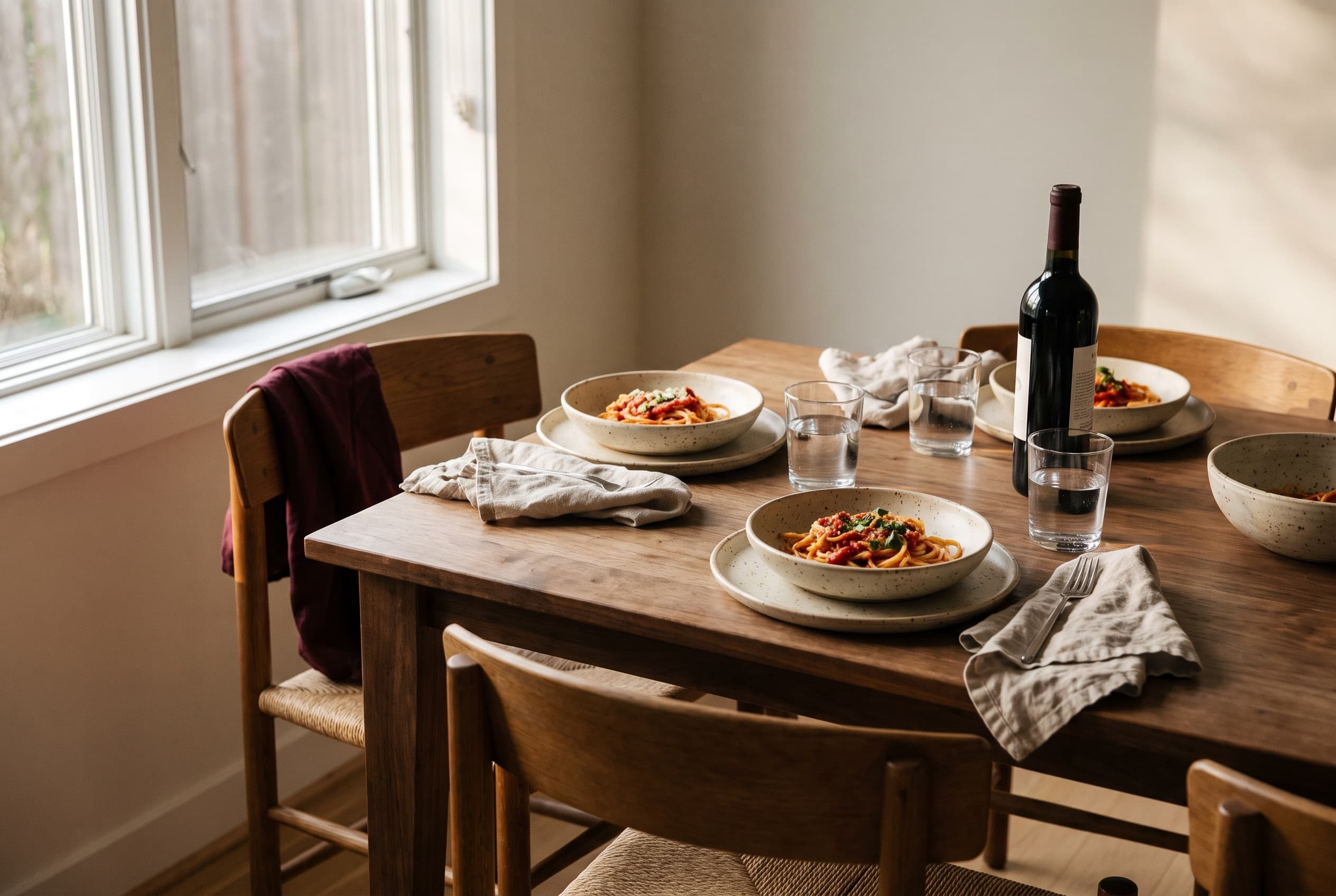 The TableBest Everyday Dinnerware Sets: Stoneware and Porcelain
The Bonwits Letter
What is worth buying for the house this week, what is actually on sale, and what to skip. Short, and never sponsored.