Bonwits

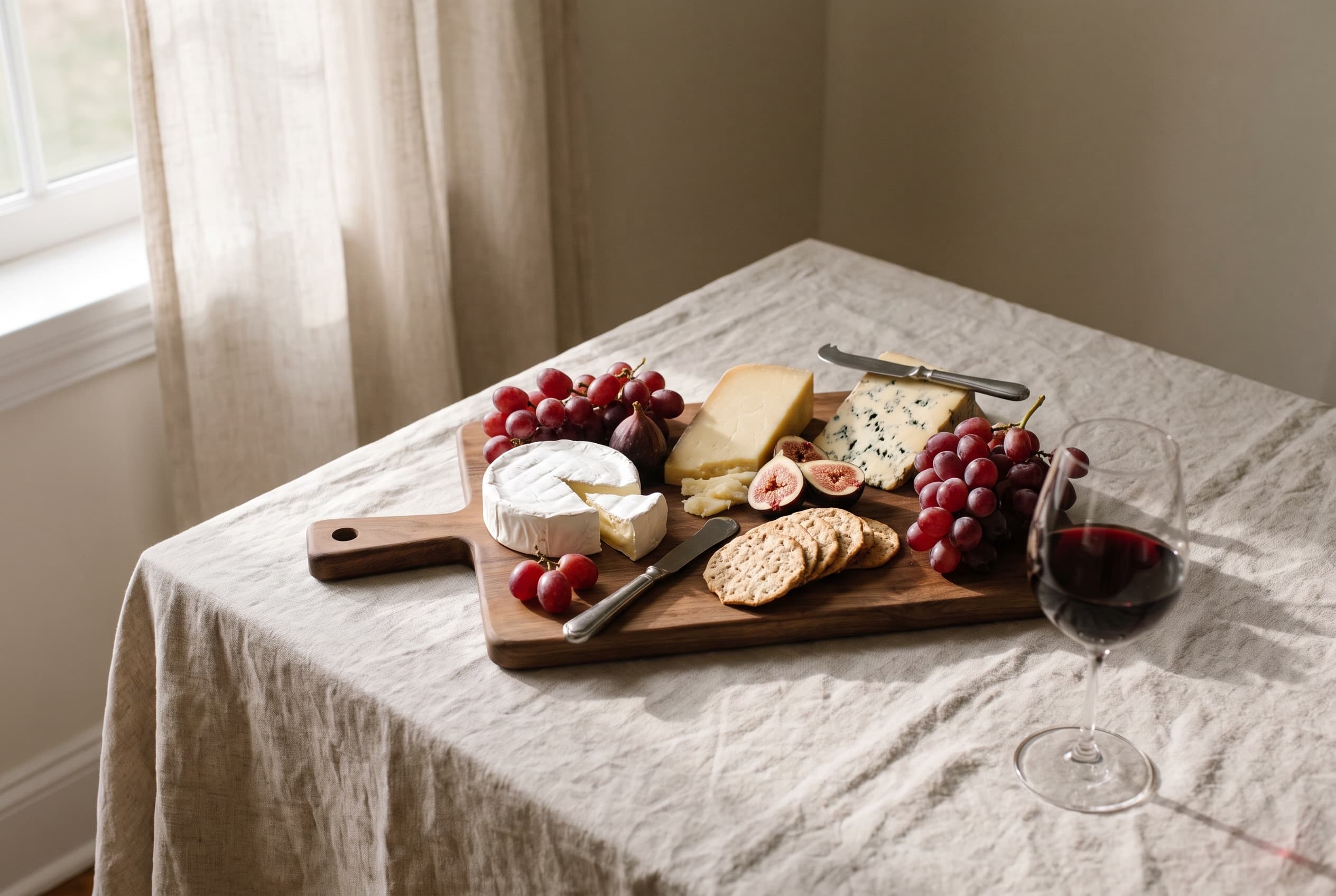
The cheese board worth setting out.

A cheese course needs a surface that can take a knife, hold its own on the table and wash up afterward. Slate, beech, marble and teak each do that differently.

By the Bonwits editors
Updated September 25, 2026
5 picks
Save to Pinterest
The cheese board worth setting out

The short list.

5 picks. Tap any to check today’s price.

  1. The honest entry point
    BOSKA Slate Serving Platter - Large

    No. 01BOSKA

    BOSKA Slate Serving Platter - Large

    $22 on Amazon today

  2. The one to buyOur pick
    Boska Wooden Serving Cheese Board - Medium Amigo
  3. The marble board
    BIRDROCK HOME 23” Marble Charcuterie Board, White

    No. 03BirdRock Home

    BIRDROCK HOME 23” Marble Charcuterie Board, White

    $46 on Amazon today

  4. The tool that makes the course
    BOSKA Cheese Curler Amigo with Dome

    No. 04BOSKA

    BOSKA Cheese Curler Amigo with Dome

    $50 on Amazon today

  5. If money is no object
    Teakhaus Thick End Grain Butcher Block with Grip Handles, Extra Large

Before you buy

Read this first.

Picks
5
Price range
$22 to $156
Updated
September 25, 2026

The cheese board is the most forgiving piece of serveware in the house. Nothing on it is hot, nothing drips much, and guests serve themselves. What it has to do is carry three to five cheeses with room to cut them, sit steady while someone saws at a hard wedge, and look good enough to leave out for an hour.

Material is the real choice. Slate is dark, cheap, and lets you write the names of the cheeses in chalk. Wood is warm, gentle on knives and wants a little oil. Marble is heavy, cool to the touch and hard on blades. Thick end grain teak is a serious slab that can double as a carving block.

Knives matter as much as the board, and our host gifts guide covers Boska's Copenhagen set. Here the focus is the boards themselves, plus one tool that turns a single cheese into the event of the evening.

What we judged on.

4 tests, applied to every pick below

  1. 01

    Room to cut

    Enough surface for three to five cheeses with space between them for a knife to work.

  2. 02

    Stable underfoot

    Feet, weight or thickness so the board does not skate when a hard cheese is being cut.

  3. 03

    Kind to knives, or honest about it

    Wood and teak are gentle on blades. Slate and marble are not, and we say so.

  4. 04

    Care that fits the household

    Some of these go in the dishwasher; the wood ones want hand washing and oil.

No. 01The honest entry point

BOSKA

BOSKA Slate Serving Platter - Large

A black slate slab you can label in chalk, from the Dutch cheese-tool maker, for about the price of a good wedge of cheese.

BOSKA Slate Serving Platter - Large
Price
About $22 (Amazon today: $21.99)
Keeps for
Years; slate is durable but the edges can chip if dropped
Size
12.99 x 9.05 x 0.31 in
Material
Natural slate
Base
Non-slip feet
Care
Dishwasher safe
Maker
Boska Holland, since 1896

Boska has made cheese tools in the Netherlands since 1896, and its slate board is the cheapest way into a proper cheese course. It measures about 13 by 9 inches, a third of an inch thick, with non-slip feet underneath, and it goes in the dishwasher.

The dark surface is the reason to buy slate. Pale cheeses, fruit and crackers stand out on it, and the names of the cheeses can be written on the board in chalk and wiped away afterward. For a small gathering it is all the board a table needs.

Skip it if you care about your cheese knives. Slate is stone, and cutting on it dulls blades faster than wood does. It is also on the small side for more than four cheeses.

The catch. Hard on knife edges, and oily cheeses can leave marks on the matte surface.

No. 02The one to buy

BOSKA

Boska Wooden Serving Cheese Board - Medium Amigo

A plain European beech board from a cheese specialist, gentle on knives and easy to live with.

Boska Wooden Serving Cheese Board - Medium Amigo
Price
About $33 (Amazon today: $32.99)
Keeps for
Many years, with hand washing and an occasional oiling
Wood
European beech
Size
Medium
Features
Handle for carrying and hanging
Care
Hand wash, dry well, oil occasionally (maker's advice)

Boska's Amigo boards are European beech, a close-grained hardwood that is kind to knife edges and has long been used for cutting boards. The medium size carries a small cheese course or a loaf of bread with room to slice, and a handle makes it easy to carry to the table and hang up afterward.

Wood is the natural home for cheese. Knives glide instead of skidding, the surface does not clatter, and a board that is used and oiled for years takes on a patina that slate and marble never will. Boska advises hand washing its wood boards, drying them thoroughly and treating them with board oil now and then.

Skip it for a large party. The medium board suits four to six people. For more, buy two, or look at the larger marble or teak picks below.

The catch. Beech is paler and softer than oak or teak, and shows knife marks and stains sooner.

No. 03The marble board

BirdRock Home

BIRDROCK HOME 23” Marble Charcuterie Board, White

A long, heavy slab of white marble that holds a full cheese course down the middle of the table.

BIRDROCK HOME 23” Marble Charcuterie Board, White
Price
About $46 (Amazon today: $45.57)
Keeps for
Decades; marble does not wear out, though it can stain
Size
23 x 8 x 0.75 in
Material
Natural marble, white
Weight
About 13.9 lb
Care
Hand wash with mild soap, towel dry

This board is 23 inches long, 8 inches wide and three quarters of an inch thick, cut from natural white marble. It weighs nearly 14 pounds, which is the point: it does not move when someone leans on a hard cheese with a knife.

The long, narrow shape suits a dinner table better than a square board. It runs down the center between the candles, and guests on both sides can reach it. Marble stays cool to the touch, and the white stone sets off dark fruit, cured meat and honey well.

Skip it if the cheese knives are good ones, because stone dulls blades. Marble is also porous: red wine, fig jam and oily cheeses can stain it if left sitting. Wipe it soon after serving, and hand wash only.

The catch. Heavy, hard on knives, and stains if wine or jam sits on it.

No. 04The tool that makes the course

BOSKA

BOSKA Cheese Curler Amigo with Dome

A girolle for Tête de Moine: turn the handle and the cheese comes off in thin rosettes, then the dome keeps the rest.

BOSKA Cheese Curler Amigo with Dome
Price
About $50 (Amazon today: $49.99)
Keeps for
Years; Boska gives it a 10-year warranty
Use
Tête de Moine and firm cheeses; chocolate curls
Blade
Stainless steel
Includes
Dome for storing the cheese
Care
Base and blade hand wash; dome dishwasher safe (maker's site)
Warranty
10 years (maker's site)

Tête de Moine, the Swiss monastery cheese, is meant to be shaved rather than sliced, and the girolle is the tool for it. A wheel of cheese sits on a pin in the wooden base, and a stainless steel blade turns across the top, taking off thin frilled curls. It is the one cheese tool guests ask about.

The Amigo version adds a dome that fits over the base, so a half-eaten wheel can go straight back into the refrigerator without rewrapping. Boska says the dome is dishwasher safe and unbreakable; the base and blade are hand wash only. It also shaves chocolate for desserts.

Skip it if nobody in the house eats Tête de Moine or similar firm cheeses. It is a single-purpose tool, and a good one, but it earns its space only if it gets used.

The catch. A one-cheese tool, and Tête de Moine is not in every shop.

No. 05If money is no object

Teakhaus

Teakhaus Thick End Grain Butcher Block with Grip Handles, Extra Large

A thick end grain teak block that carries a whole party's cheese and charcuterie, then goes back to work as a cutting board.

Teakhaus Thick End Grain Butcher Block with Grip Handles, Extra Large
Price
About $156 (Amazon today: $156.00)
Keeps for
A lifetime with regular oil, the maker says
Wood
FSC-certified teak, end grain
Size
Extra large
Features
Grip handles, reversible
Care
Hand wash only; oil regularly

Teakhaus builds this block from FSC-certified plantation teak, set end grain up, the checkerboard construction butcher blocks use. End grain is the kindest surface to a knife: the fibers part and close again rather than being cut. Grip handles make it possible to carry, which matters for a board this size.

As a cheese board it is a statement: a single dark slab for a big spread of cheese, bread, fruit and cured meat, with nothing to slide and nothing to chip. The rest of the week it is a serious cutting and carving block, so it earns its space.

Skip it if you want something light. A block this thick is heavy, needs a place to live, and must be hand washed and oiled. Teakhaus says it is not dishwasher safe.

The catch. Heavy, and it takes up a lot of counter or cupboard space.

Setting a cheese board

Take the cheese out of the refrigerator an hour before serving; cold cheese tastes of very little. Three to five cheeses are plenty, chosen for contrast: something soft, something firm, something blue or washed rind.

Give each cheese its own knife where you can, so the blue does not travel into the brie. Leave space around each one for cutting.

Caring for wood

Hand wash wood boards with a little soap, never soak them, and dry them standing on edge. When the surface looks pale and dry, rub in a food-safe board oil and let it sit overnight. A board treated this way lasts decades.

Stone and knives

Slate and marble look wonderful and dull knives. If you use them, keep an inexpensive set of cheese knives for the stone boards and save the good ones for wood.

Questions.

What is the best material for a cheese board?

Wood is the best all-rounder: gentle on knives and pleasant to use. Slate is the best value and lets you label cheeses in chalk. Marble looks the most formal but is heavy and dulls knives.

How big should a cheese board be?

Allow room for three to five cheeses with space to cut between them. A medium board of about 13 inches suits four to six people; for more, use a long board like a 23 inch marble slab, or two boards.

Can cheese boards go in the dishwasher?

Slate usually can; Boska's slate board is listed as dishwasher safe. Wood and teak should never go in the dishwasher, and marble should be hand washed.

What is a girolle?

A cheese curler made for Tête de Moine. The cheese sits on a pin and a blade turns across the top, shaving it into thin rosettes. Boska's Amigo girolle comes with a dome for storing the cheese.

Does marble keep cheese cool?

Marble stays cool to the touch, but it will not keep cheese cold for long at room temperature. Cheese tastes best at room temperature anyway.

Sources.

  1. BOSKA, Dining Board Amigo
  2. BOSKA, Cheese Curler Amigo with Dome
  3. Teakhaus, end grain butcher blocks
  4. BirdRock Home
  5. BOSKA

The Bonwits Letter

One good email, on Sundays.

What is worth buying for the house this week, what is actually on sale, and what to skip. Short, and never sponsored.

Unsubscribe any time. We never share your address.

More from The Table.

01The cake stand that makes a cake an occasion.02The coffee mugs worth drinking from every morning.03The flatware to own for life.04The gravy boat that keeps the gravy hot.