Cast iron: the first pan on a budget
Most good kitchens end up with both. If you are buying one now, the choice comes down to what you cook, how much you want to lift, and whether seasoning sounds like a pleasure or a chore.
Tap either one to check today’s price.
Cast iron: the first pan on a budget
Stainless: the first pan for sauces
All-Clad has the edge on 3 of 10 lines, Lodge on 1, 2 even.
| Feature | Lodge | All-Clad |
|---|---|---|
| Price, 12 in on Amazon | About $30 (the edge) | About $160 |
| Material | Cast iron, pre-seasoned with vegetable oil | Tri-ply: stainless steel, aluminum core, fully bonded |
| Weight | 8 lb 0.75 oz (America's Test Kitchen) | 2.8 lb (America's Test Kitchen) (the edge) |
| Flat cooking area | 10 in (America's Test Kitchen) | 9.5 in (America's Test Kitchen) |
| Heat | Slow to heat, holds heat for a long time | Heats quickly, responds fast to the burner knob |
| Acidic sauces | Long simmers in wine or tomato wear the seasoning | Non-reactive; made for pan sauces (the edge) |
| Oven | Oven, grill and campfire safe per the maker | Oven and broiler safe to 600°F |
| Care | Hand wash, dry at once, oil lightly; never soak | Hand wash only; scrub freely (the edge) |
| InductionEven | Yes | Yes |
| Made inEven | USA (South Pittsburg, Tennessee) | USA (Pennsylvania), with global components |
The verdict
Buy the cast iron first if money is tight and you mostly sear, roast and bake; it costs about $30 and will last forever. Buy the stainless first if you cook sauces with wine or tomato, want a light pan you can toss, or never want to think about seasoning.
The cookware still made in America.The cookware you do not have to wonder about.The cast iron skillet that outlives you.
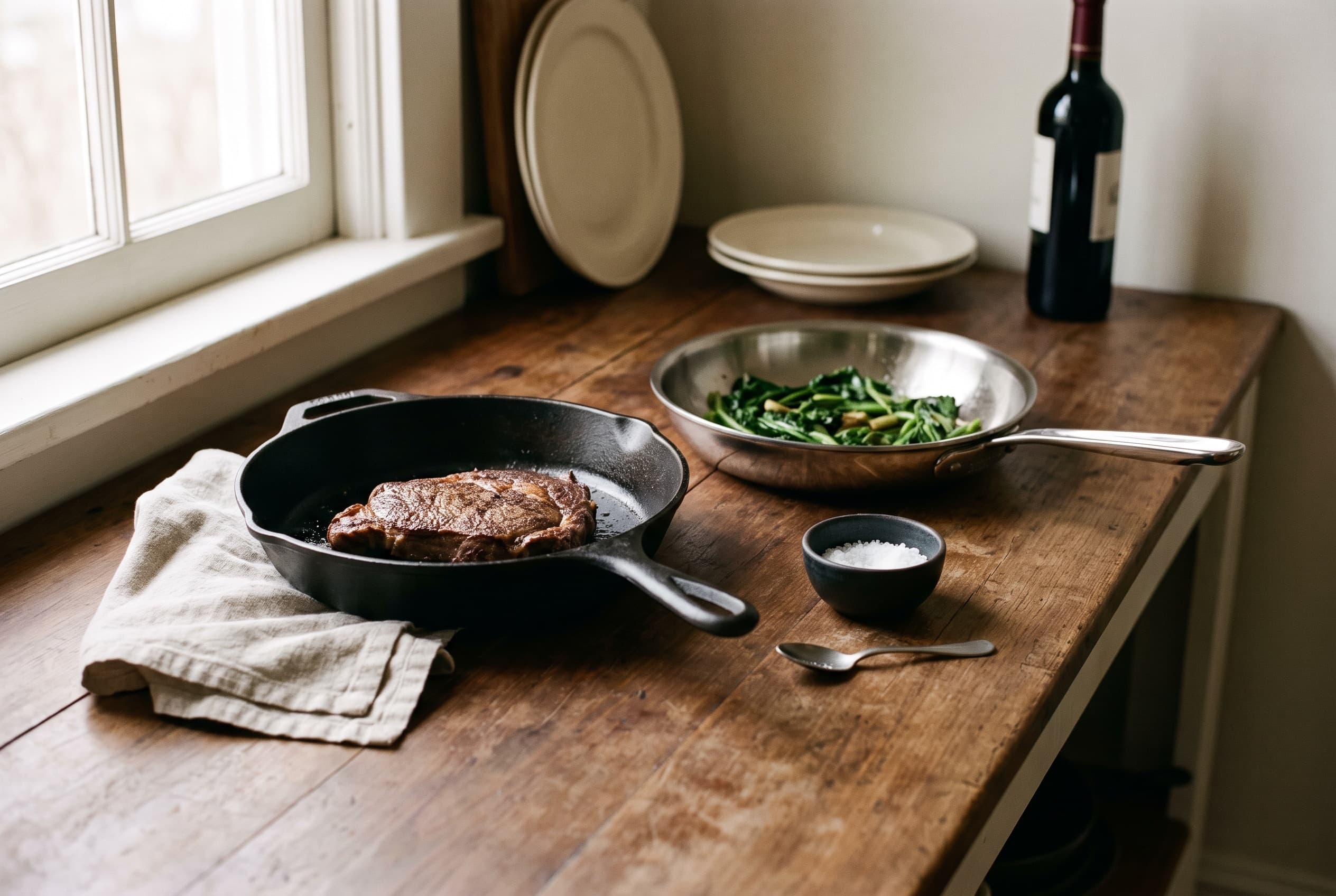
A cast iron skillet is a single piece of iron poured into sand and coated in baked-on oil. A clad stainless skillet is a sandwich of stainless steel around an aluminum core, bonded up the sides. Both will outlast their owners. They cook differently enough that each is better at some jobs, and neither is a nonstick pan.
To keep it concrete, we compared the two 12 inch pans most often recommended in each material: the Lodge cast iron skillet, America's Test Kitchen's Best Buy, and the All-Clad D3, ATK's longtime favorite stainless skillet. The Lodge costs about $30 and weighs about 8 pounds. The All-Clad costs about $160 and weighs under 3.
Cast iron's mass is its virtue: once hot, it stays hot, which is what a thick steak, a tray of cornbread or a pan of potatoes wants. Stainless heats and cools quickly, shrugs off acid and scrubbing, and makes the best pan sauce. The notes below say which to buy first for which kind of cook.
The heavy, cheap, nearly indestructible pan that sears and bakes as well as anything at any price.
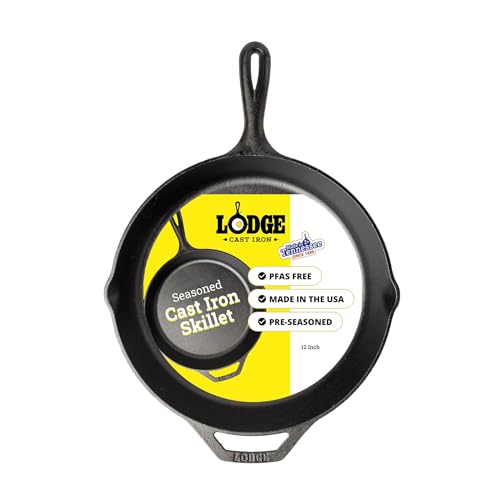
Lodge has poured cast iron in South Pittsburg, Tennessee, since 1896. Its 12 inch skillet arrives seasoned with vegetable oil, has pour spouts on each side and a helper handle opposite the main one. America's Test Kitchen weighed it at 8 pounds 0.75 ounces, measured a 10 inch cooking surface and named it its Best Buy, noting the pebbly surface was a bit sticky at first but released food well after a few rounds of cooking.
It is the better first pan for a cook who roasts chicken thighs, sears steaks, fries potatoes and bakes cornbread. The mass holds heat when cold food hits the pan, so the crust comes out even. It goes from stove to oven to grill without a thought.
Skip it as your only pan if you cook a lot of tomato sauce or wine reductions, or if lifting 8 pounds one-handed is a strain. Long simmers in acid wear the seasoning and can taste metallic.
The catch. Heavy, reactive with acid, and it rusts if left wet.
Where to buy
AmazonCheck price →A light, fast, non-reactive pan that browns, deglazes and cleans up with a scrub.
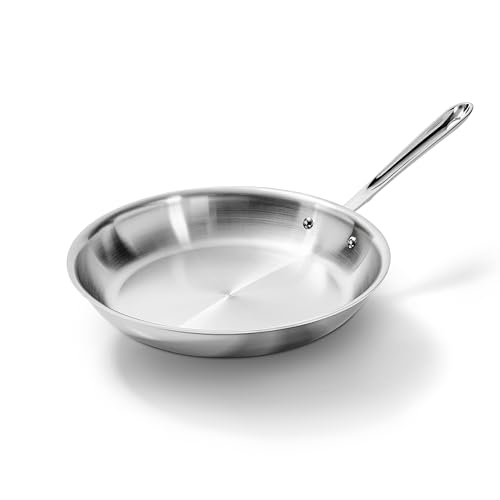
D3 is stainless steel around an aluminum core, bonded rim to rim, made in Pennsylvania with global components per the listing. It is oven and broiler safe to 600 degrees Fahrenheit, works on induction and must be washed by hand. America's Test Kitchen has named it its favorite stainless skillet for decades, weighed it at 2.8 pounds and measured a 9.5 inch cooking surface.
It is the better first pan for a cook who sautés, makes pan sauces, cooks with wine, tomato and citrus, and likes to toss food rather than push it around. Food sticks until a crust forms, and the stuck bits become the sauce. There is no seasoning to maintain; steel wool and Bar Keepers Friend are fair game.
Skip it as your only pan if you bake cornbread or want a skillet that holds a sear on a crowded pan of cold meat. It heats fast and also loses heat fast.
The catch. Five times the price of the Lodge, and food sticks until you learn to preheat.
Where to buy
AmazonCheck price →Fully clad tri-ply stainless for not much more than the Lodge.

Tramontina's Signature pan is 18/10 stainless around an aluminum core, made in Brazil. The listing rates it oven safe to 500 degrees Fahrenheit, induction compatible, NSF certified, dishwasher safe and covered by a lifetime warranty.
If the choice is really about price, this is the stainless pan to set against the Lodge. It lacks the All-Clad's finish and heat limits, but it teaches the same technique.
The catch. Less refined than the All-Clad, with a lower oven rating.
Where to buy
AmazonCheck price →Machine-smoothed American cast iron, about 2 pounds lighter than the Lodge at a similar size.
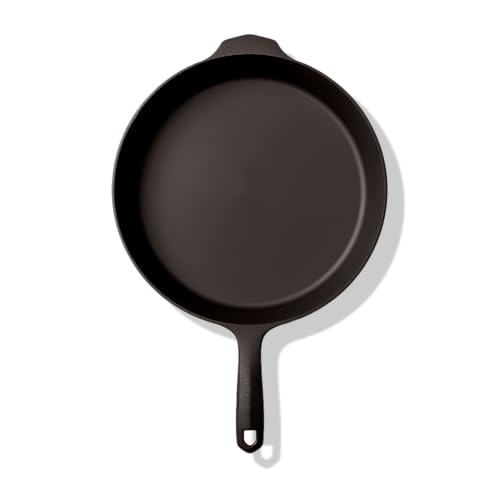
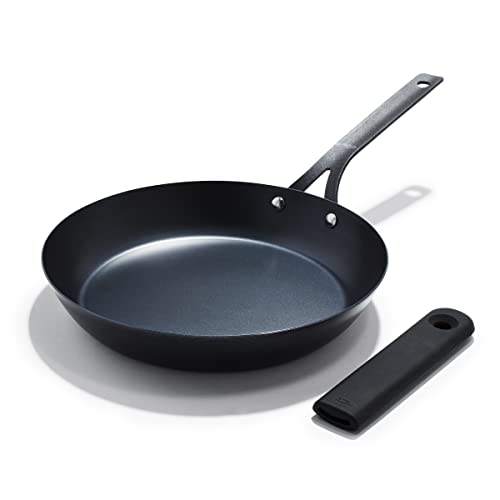
Field Company casts in green sand in the United States and machines the cooking surface smooth, the way vintage American skillets were finished. The No.10 is 11 5/8 inches across with a 9 3/4 inch flat cooking surface and weighs 6 pounds per the maker. It arrives with three coats of grapeseed oil seasoning.
America's Test Kitchen rated it highly as a lighter artisan option with a satiny surface. For a cook who wants cast iron but balks at 8 pounds, it closes much of the weight gap with stainless.
The catch. Seven times the Lodge's price for a smoother, lighter pan that cooks the same food.
Where to buy
AmazonCheck price →Buy cast iron first if you cook mostly meat and potatoes, bake in a skillet, cook outdoors or are furnishing a kitchen on a small budget. Buy stainless first if you cook quick weeknight sautés, sauces and vegetables, or cannot comfortably lift an 8 pound pan.
Then buy the other. The two pans complement each other, and between them, with a nonstick for eggs, they cover nearly everything a stove is asked to do.
Cast iron: wash with a little soap, dry at once, ideally over a warm burner, and wipe in a few drops of oil. Never soak it and never use the dishwasher. Rust scrubs off.
Stainless: preheat before adding fat, let the pan cool before it meets cold water, and use Bar Keepers Friend for heat tint and stuck-on residue. There is nothing to maintain beyond that.
Cast iron if budget and searing come first; a good one costs about $30. Stainless if you cook sauces and acidic food and want a lighter pan. Most kitchens eventually own both.
Cast iron holds its heat better when a cold steak goes in, which helps an even crust. Stainless sears well too and makes the better pan sauce afterward.
Briefly, yes. A long simmer in acid wears the seasoning and can taste metallic. Stainless is non-reactive and has no such limit.
Food sticks until you learn to preheat the pan and add fat before the food. Once learned, it is no harder than cast iron and needs no seasoning.
Yes. Cast iron is magnetic, and the All-Clad D3 is rated for all cooktops including induction. Lift cast iron rather than sliding it on glass tops.
 KitchenHexClad vs Henckels Paradigm: Which Hybrid Pan to Buy
 KitchenLe Creuset vs Caraway Dutch Oven: Which to Buy
 KitchenBest Revolving Cake Stand for Decorating
 KitchenBest Cast Iron Skillet for a Glass Top Stove
 KitchenBest Chef's Knife Under $100: Five Worth Buying
 KitchenBest Cutting Board for Raw Meat and Poultry
 KitchenBest Cutting Board: End Grain vs Edge Grain Wood
 KitchenThe Best Meat Thermometers: Instant-Read and Leave-In
The Bonwits Letter
What is worth buying for the house this week, what is actually on sale, and what to skip. Short, and never sponsored.